 Fresh
Fresh How to Set Up Your Kitchen for Automatic Healthy Eating
Why Willpower Is the Wrong Tool for Daily Nutrition
When people decide to improve their diet, they usually start with an act of strong intention. They make detailed grocery lists, establish strict dietary rules, and vow to resist temptation. By seven o'clock on a stressful Tuesday evening, however, that initial enthusiasm is often depleted. You return home exhausted, your cognitive bandwidth is drained, and the easiest food option wins.
Relying solely on self-discipline treats nutrition like a daily test of character. In reality, food choices are heavily influenced by environmental design. When nutrient-dense options require multiple steps to clean, chop, and prepare, while processed snacks sit ready on the counter, the brain naturally chooses the option with the lowest friction. Reorganizing your kitchen environment changes this dynamic by shifting healthy choices from deliberate decisions to default actions.
Visual Placement: Making Nutritious Options Immediate
Human beings are visual eaters. We tend to consume what is immediately visible and within physical reach. By rearranging where food is placed in your home, you can direct your appetite toward options that support your well-being without constant deliberation.
Clear the Counters for Intentional Displays
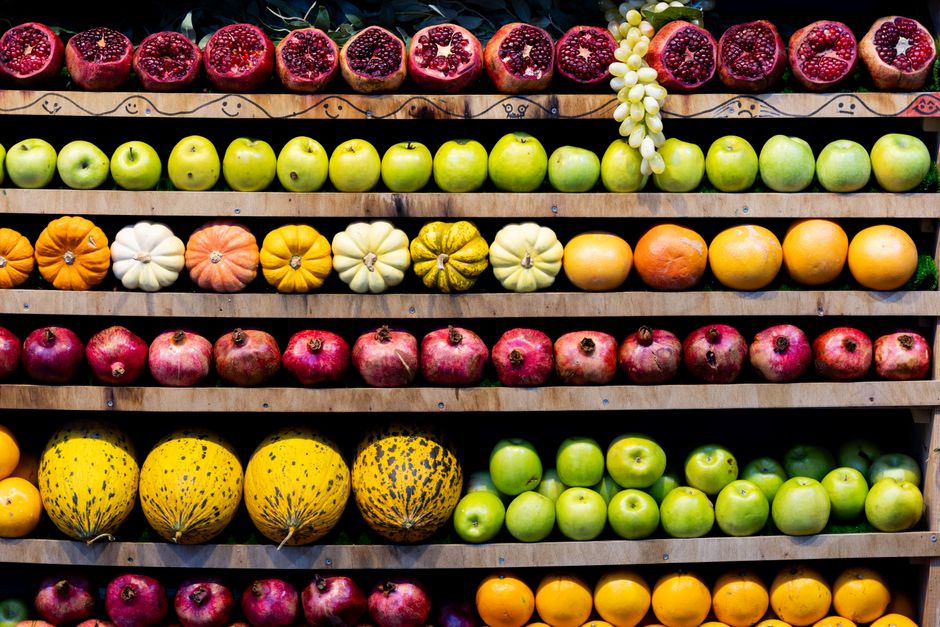
Keep food off the kitchen counters unless it directly serves your health goals. A fruit bowl filled with apples, pears, or citrus fruits placed prominently on an island or dining table acts as an inviting cue. Conversely, keeping boxes of cereal, baked goods, or packaged snacks on display forces you to negotiate with your willpower every time you walk through the room.
Use Glass Containers for Whole Foods
When storing items in the refrigerator or pantry, clear glass containers work significantly better than opaque plastic or foil wrapping. When you open the fridge searching for a quick bite, seeing pre-washed berries, sliced bell peppers, or cooked edamame at eye level invites immediate consumption. If healthy items are tucked away inside dark drawers, they are easily forgotten until they spoil.
Adding Strategic Friction to Impulse Foods
You do not need to banish treats or comfort foods from your home entirely to maintain a balanced lifestyle. Rigid restrictions often backfire, leading to frustration. A more sustainable strategy involves increasing the physical effort required to access low-nutrient, hyper-palatable snacks.
- Store packaged snacks on high shelves: Requiring a step stool or a reach creates a brief pause between the impulse and the action.
- Keep treats in opaque containers: Hiding cookies or chips inside solid pantry bins removes the constant visual cue that triggers cravings.
- Buy single-serve portions or wrap items individually: Having to unpack multiple wrappers adds just enough friction to help you check in with your actual hunger levels.
That extra five-second pause gives your rational mind time to step in and ask whether you are truly hungry or simply bored, stressed, or tired.
Setting Up Low-Friction Cooking Stations
Cooking a balanced meal at home often feels overwhelming because the process itself is disorganized. If you have to dig through cluttered cabinets for a cutting board or wash a pile of dishes before you can start chopping vegetables, the mental cost of cooking becomes too high. For evidence-based detail, MedlinePlus, from the U.S. National Institutes of Health offers helpful guidance.
Streamline your cooking environment by establishing dedicated prep zones. Keep your primary chef's knife, a sturdy cutting board, and core seasonings like olive oil, salt, and black pepper directly next to your primary workspace. When the basic tools for preparing real food are always clean, available, and within arm's reach, making a quick stir-fry or salad feels manageable even after a demanding workday. Further information is published on supplement.
Building a Reliable Safety-Net Pantry
A healthy nutrition pattern must tolerate difficult days. Illness, late meetings, and emotional stress are inevitable, and a rigid plan that requires an hour of fresh meal preparation every night will eventually fail. The solution is creating a safety-net pantry that makes emergency meals simple and nutritious.
Stock your kitchen with stable ingredients that require almost zero active prep time:
- Canned legumes: Black beans, chickpeas, and lentils offer quick plant-based protein and fiber.
- Frozen vegetables: Frozen broccoli, spinach, and mixed berries retain their nutrient value and eliminate peeling or chopping.
- Quick grains: Pouches of pre-cooked brown rice, quinoa, or whole-grain oats provide easy complex carbohydrates.
- Canned fish: Salmon, sardines, or light tuna supply protein and omega-3 fatty acids without cooking.
Having these components on hand ensures that a chaotic evening results in a 10-minute pantry grain bowl rather than an expensive, heavy takeaway order.
Reorganizing the Refrigerator Layout
Standard refrigerator layouts are not always optimized for healthy daily habits. Crisper drawers located at the bottom of the unit often become forgotten places where leafy greens decay. Consider overriding the standard setup to better serve your routine.
Place perishable whole foods—such as washed greens, cut vegetables, cooked proteins, and yogurt—on the middle shelves right at eye level. Use the bottom drawers instead for condiments, sparkling water, or items used less frequently. When you open the door, your eyes naturally land on fresh, nourishing options first, encouraging better choices naturally.
Focusing on Consistency Over Kitchen Perfection
Designing an effective kitchen environment is an ongoing practice of observation rather than an all-or-nothing project. Pay attention to where your routine breaks down during the week. If you notice that fresh herbs consistently rot in your fridge, switch to frozen or dried options. If chopping onions feels like a barrier on busy weeknights, buy them pre-diced.
A supportive environment lowers the energy cost of making good choices. It ensures that when your schedule gets hectic, your baseline diet remains steady. Over time, these small structural adjustments accumulate into quiet, lasting improvements in your overall nutrition and vitality. If you have specific medical conditions or complex dietary requirements, consider consulting a registered dietitian to tailor your home environment to your unique physiological needs.
Frequently asked questions
How does kitchen organization help with daily nutritional choices?
Organizing your kitchen alters the physical effort required to make specific food choices. By making nutrient-dense foods visible and easy to access while placing processed snacks out of sight, you rely less on active willpower and more on automatic, healthy default habits.
What if I live with family members who keep processed snacks in the house?
Designate specific 'snack zones' for family members in opaque pantry bins or on dedicated cabinet shelves away from your primary eye line. Keeping your own convenient, nutritious options front and center helps you stick to your goals without dictating everyone else's diet.
Is buying pre-cut vegetables worth it for simple healthy eating?
Yes, if pre-cut vegetables lower the barrier to eating fresh produce, they are a practical investment. Reducing the physical friction of prep work makes it far more likely that you will include vegetables in your daily meals.
How can I prevent fresh produce from spoiling in my fridge?
Store fresh produce on the main eye-level shelves in clear containers rather than hiding them in bottom crisper drawers. Washing and prepping fruits and vegetables right after shopping also makes them ready to eat immediately, reducing waste.